

Introduction
Maintaining cleanliness and hygiene is a critical responsibility in hospitals, clinics, nursing homes, and healthcare facilities. Effective housekeeping practices not only create a clean environment but also help reduce the risk of healthcare-associated infections. Among the many cleaning tools used in healthcare facilities, the Hospital Double Bucket Wringer Trolley has become an essential piece of equipment for professional cleaning operations.
A Hospital Double Bucket Wringer Trolley is specifically designed to improve floor cleaning efficiency while supporting infection control protocols. By separating clean water from dirty water, these trolleys help housekeeping staff maintain higher hygiene standards and achieve better cleaning results.
However, selecting the right trolley requires careful evaluation of several factors, including material quality, bucket capacity, wringer efficiency, mobility, durability, and supplier reliability. This comprehensive buying guide will help healthcare facilities understand what to look for when purchasing a Hospital Double Bucket Wringer Trolley and how to choose the best solution for their cleaning operations.
What Is a Hospital Double Bucket Wringer Trolley?
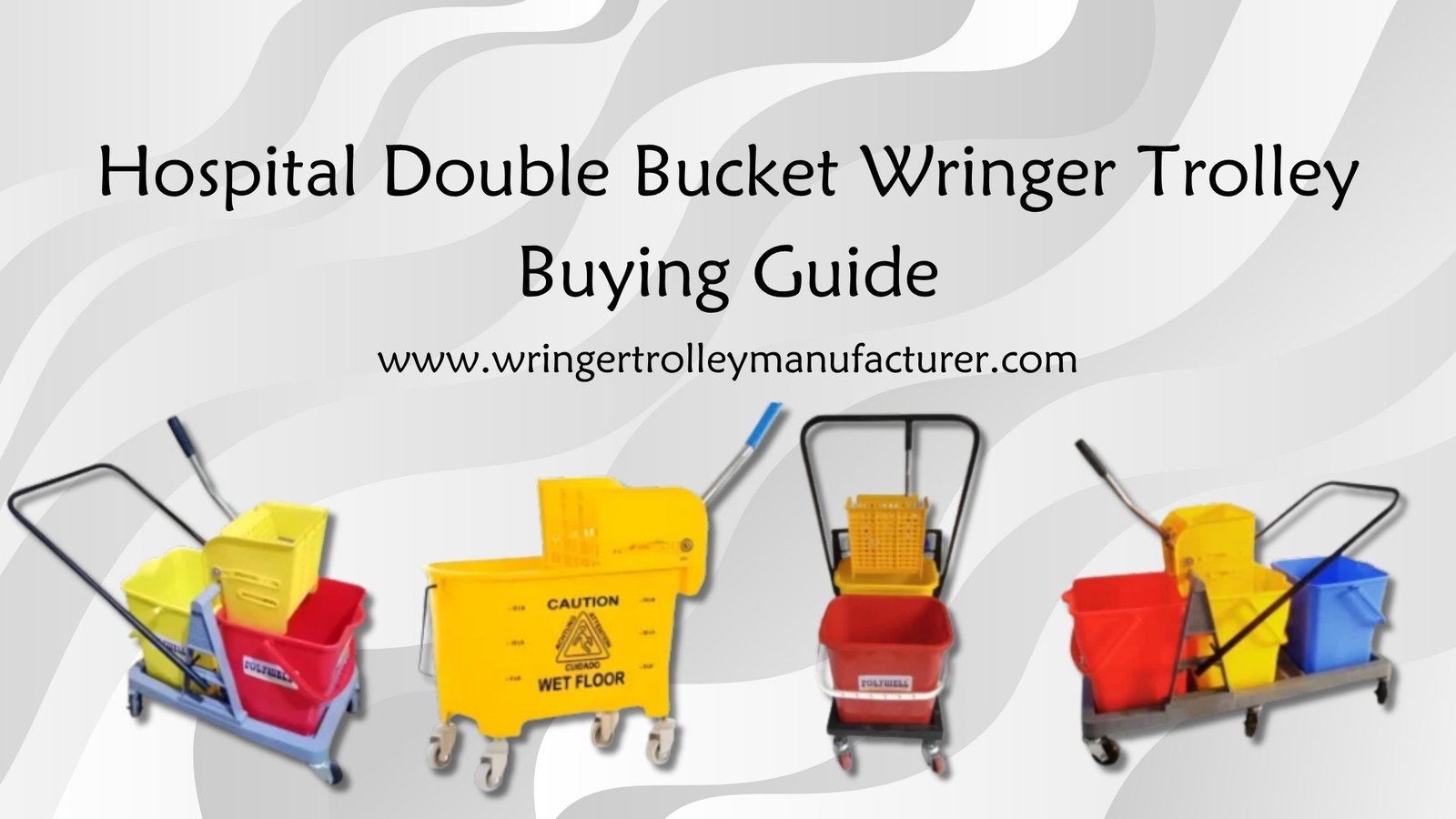
A Hospital Double Bucket Wringer Trolley is a cleaning trolley equipped with two separate buckets and a wringer mechanism. One bucket is used for clean water or disinfectant solution, while the second bucket collects dirty water after mopping.
This separation prevents contamination of the cleaning solution and helps ensure more effective floor cleaning throughout healthcare facilities.
The trolley typically includes:
- Two separate buckets
- A heavy-duty wringer system
- Smooth-rolling caster wheels
- Ergonomic push handle
- Durable frame construction
These features make the Hospital Double Bucket Wringer Trolley one of the most widely used cleaning solutions in hospitals and healthcare institutions.
Why Hospitals Prefer Double Bucket Cleaning Systems
Hospitals require cleaning systems that minimize the spread of germs and support infection prevention programs. Traditional single-bucket systems often reuse contaminated water, which can spread bacteria and pathogens from one area to another.
A Hospital Double Bucket Wringer Trolley addresses this issue by separating clean and dirty water throughout the cleaning process.
Key benefits include:
- Reduced cross-contamination
- Improved cleaning performance
- Better infection control
- Increased housekeeping efficiency
- Compliance with healthcare hygiene standards
Because of these advantages, double bucket systems are now considered a standard cleaning solution in many healthcare facilities.
Benefits of Using a Hospital Double Bucket Wringer Trolley
1. Enhanced Hygiene Standards
One of the primary benefits of a Hospital Double Bucket Wringer Trolley is improved hygiene. The separation of clean and dirty water ensures that floors are cleaned using an uncontaminated cleaning solution.
This helps healthcare facilities maintain strict sanitation protocols and reduce infection risks.
2. Improved Cleaning Efficiency
Housekeeping staff can work more efficiently with a double bucket system because they spend less time changing water and preparing cleaning solutions.
The result is:
- Faster cleaning operations
- Reduced labor effort
- Consistent cleaning quality
3. Better Infection Control
Hospitals must prioritize infection prevention. A Hospital Double Bucket Wringer Trolley helps support infection control strategies by preventing contaminated water from being reused during the cleaning process.
4. Cost Savings
Although high-quality trolleys may require a higher initial investment, they often provide significant long-term savings through:
- Reduced water consumption
- Lower maintenance costs
- Improved cleaning productivity
- Extended equipment lifespan
5. User-Friendly Operation
Modern double bucket wringer trolleys are designed with ergonomic features that improve ease of use and reduce physical strain on housekeeping staff.
Important Factors to Consider Before Buying
1. Material Quality
Material quality directly affects durability and performance.
When selecting a Hospital Double Bucket Wringer Trolley, look for:
- High-grade plastic construction
- Chemical-resistant materials
- Corrosion resistance
- Impact-resistant design
Premium-quality plastic trolleys are commonly preferred in healthcare environments because they are lightweight, durable, and easy to maintain.
2. Bucket Capacity
Bucket size plays an important role in cleaning efficiency.
Common capacities include:
- 20 liters
- 25 liters
- 30 liters
- 36 liters
Larger hospitals may benefit from larger bucket capacities, while smaller clinics may find compact models more practical.
Choose a Hospital Double Bucket Wringer Trolley that aligns with the cleaning requirements of your facility.
3. Wringer Performance
The wringer mechanism is one of the most important components of the trolley.
A high-quality wringer should:
- Remove excess water efficiently
- Reduce operator effort
- Improve mop drying performance
- Support daily commercial use
Heavy-duty wringers are particularly important in busy healthcare environments.
4. Mobility and Wheel Quality
Hospitals have large floor areas that require frequent cleaning. Therefore, mobility is an important consideration.
Look for:
- Smooth-rolling caster wheels
- Non-marking wheel materials
- 360-degree swivel movement
- Stable wheel design
A well-designed Hospital Double Bucket Wringer Trolley should move easily through corridors, patient rooms, and healthcare departments.
5. Ergonomic Design
Cleaning staff use these trolleys for extended periods throughout the day.
Ergonomic features improve comfort and productivity.
Consider:
- Comfortable handles
- Lightweight construction
- Easy maneuverability
- Balanced design
These features help reduce operator fatigue and improve overall efficiency.
6. Durability and Lifespan
Hospitals require cleaning equipment capable of handling continuous use.
A durable Hospital Double Bucket Wringer Trolley should offer:
- Strong structural integrity
- High load-bearing capacity
- Long service life
- Resistance to wear and tear
Investing in durable equipment reduces replacement frequency and maintenance expenses.
Applications of Hospital Double Bucket Wringer Trolleys
A Hospital Double Bucket Wringer Trolley can be used across various healthcare settings, including:
1. Hospitals
Used for cleaning patient rooms, corridors, emergency departments, and operation theaters.
2. Clinics
Provides efficient floor cleaning in outpatient and diagnostic facilities.
3. Nursing Homes
Supports daily housekeeping and sanitation requirements.
4. Medical Centers
Helps maintain clean and hygienic environments for patients and staff.
5. Healthcare Institutions
Ensures compliance with cleanliness and infection prevention standards.
Common Mistakes to Avoid When Buying
Many buyers focus solely on price when selecting cleaning equipment.
Avoid these common mistakes:
1. Choosing Low-Quality Products
Cheap products often result in:
- Frequent breakdowns
- Higher maintenance costs
- Shorter lifespan
2. Ignoring Wheel Quality
Poor-quality wheels can reduce mobility and make cleaning operations more difficult.
3. Overlooking Wringer Efficiency
An ineffective wringer can reduce cleaning performance and increase labor effort.
4. Not Considering Facility Size
Always select a Hospital Double Bucket Wringer Trolley that matches the scale of your cleaning operations.
5. Choosing an Inexperienced Supplier
Working with an experienced manufacturer ensures better product quality and customer support.
Why Plastic Double Bucket Wringer Trolleys Are Popular
Plastic models have become increasingly popular due to their numerous advantages.
Benefits include:
- Lightweight design
- Corrosion resistance
- Easy cleaning
- Cost-effectiveness
- Chemical resistance
- Long-lasting performance
These characteristics make plastic trolleys ideal for healthcare facilities.
Maintenance Tips for Longer Service Life
To maximize the lifespan of your Hospital Double Bucket Wringer Trolley, follow these maintenance practices:
1. Clean Buckets Daily
Remove dirt and cleaning solution residue after each use.
2. Inspect Wheels Regularly
Check caster wheels for wear and ensure smooth operation.
3. Maintain the Wringer Mechanism
Inspect moving parts and replace damaged components promptly.
4. Store Properly
Keep the trolley in a clean, dry storage area when not in use.
5. Conduct Routine Inspections
Regular maintenance helps identify issues before they become major problems.
Why Choose Sangam Plastic Industries Private Limited?
When purchasing a Hospital Double Bucket Wringer Trolley, selecting the right manufacturer is just as important as selecting the right product.
Sangam Plastic Industries Private Limited is a trusted name in the cleaning and housekeeping equipment industry, offering durable and efficient solutions for hospitals, healthcare facilities, and commercial cleaning applications.
What Makes Sangam Plastic Industries Private Limited Stand Out?
1. High-Quality Manufacturing
Products are manufactured using premium-grade materials to ensure durability and long-term performance.
2. Wide Product Range
The company offers:
- Hospital Double Bucket Wringer Trolley
- Triple Bucket Wringer Trolley
- Mopping Trolley
- Bucket Trolley
- Housekeeping Equipment
3. Healthcare-Focused Solutions
Products are designed to meet the specific cleaning and hygiene requirements of healthcare environments.
4. Competitive Pricing
Customers receive excellent value without compromising on quality.
5. Reliable Customer Support
The company is committed to providing exceptional service and long-term customer satisfaction.
6. Customization Options
Tailored solutions are available to meet unique operational requirements.
By focusing on quality, innovation, and customer service, Sangam Plastic Industries Private Limited has become a preferred supplier for healthcare housekeeping equipment.
Conclusion
A Hospital Double Bucket Wringer Trolley is an essential tool for maintaining cleanliness, efficiency, and infection control in healthcare environments. By separating clean and dirty water, these systems provide superior cleaning performance and support modern hospital hygiene protocols.
When selecting a trolley, healthcare facilities should evaluate material quality, bucket capacity, wringer efficiency, mobility, durability, and supplier reliability. Choosing a trusted manufacturer ensures long-term value and dependable performance.
For hospitals and healthcare institutions seeking high-quality cleaning solutions, Sangam Plastic Industries Private Limited offers durable, efficient, and cost-effective Hospital Double Bucket Wringer Trolley solutions designed to meet the highest standards of healthcare housekeeping.
Frequently Asked Questions – Hospital Double Bucket Wringer Trolley
1. What is a Hospital Double Bucket Wringer Trolley?
A Hospital Double Bucket Wringer Trolley is a cleaning trolley with two separate buckets for clean and dirty water, helping hospitals improve hygiene and reduce cross-contamination.
2. Why do hospitals use double bucket wringer trolleys?
Hospitals use double bucket wringer trolleys because they separate clean and dirty water, improve cleaning efficiency, and support infection control measures.
3. What size Hospital Double Bucket Wringer Trolley is best for hospitals?
The ideal size depends on the facility’s cleaning requirements. Larger hospitals often prefer higher-capacity models, while smaller clinics may choose compact options.
4. Are plastic double bucket wringer trolleys durable?
Yes, high-quality plastic double bucket wringer trolleys are durable, lightweight, corrosion-resistant, and suitable for daily hospital cleaning operations.
5. Where can I buy a Hospital Double Bucket Wringer Trolley in India?
Healthcare facilities can purchase high-quality Hospital Double Bucket Wringer Trolleys from trusted manufacturers such as Sangam Plastic Industries Private Limited.
6. How long does a Hospital Double Bucket Wringer Trolley last?
A well-maintained trolley made from quality materials can provide several years of reliable service in healthcare environments.